
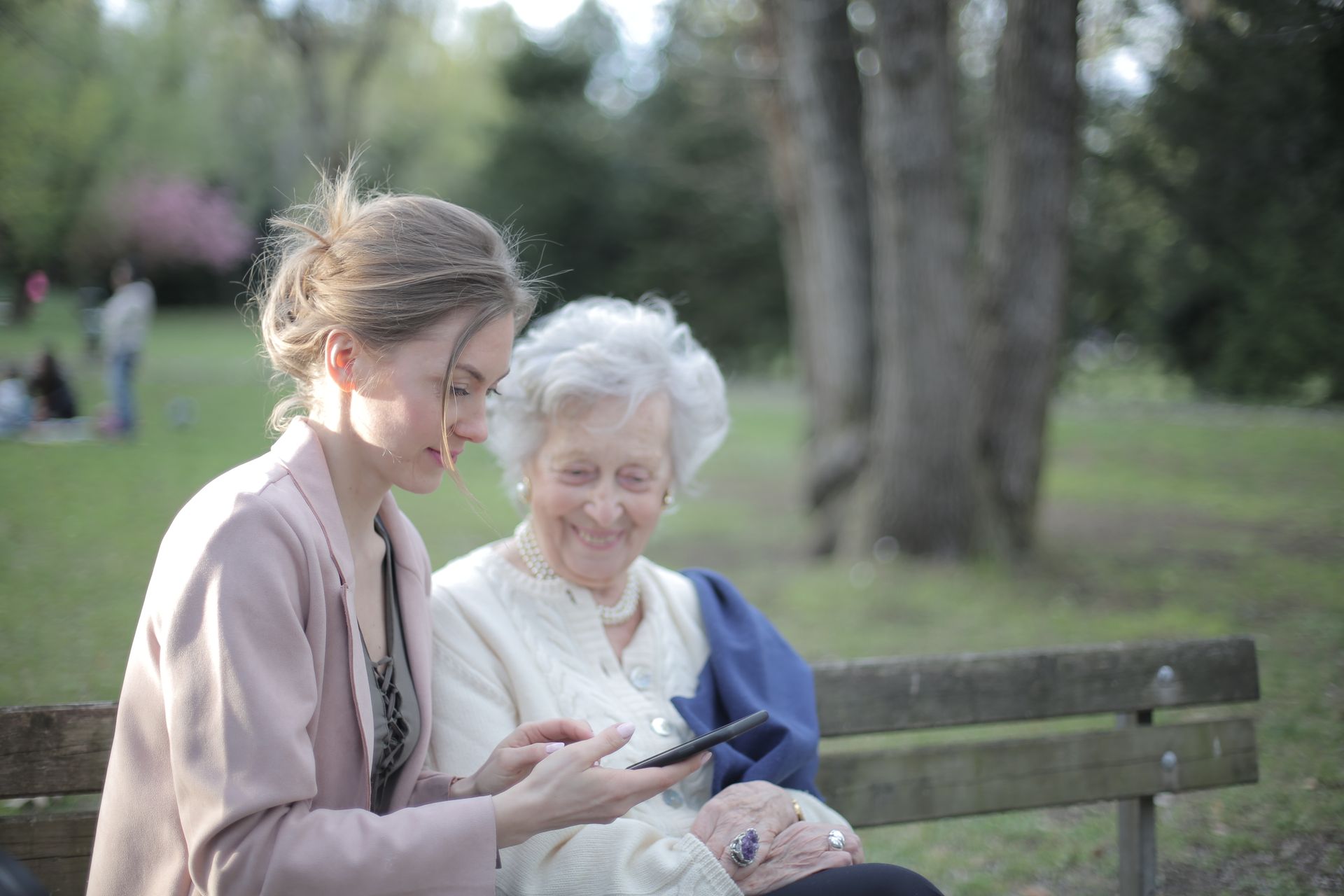
A familiar day is made of details: the way someone takes a morning drink, the newspaper they read, the language they use when tired, the music they choose or the time they call family. Entering a clinic or institution can interrupt many of those reference points at once.
Preserving familiarity does not mean resisting institutional routines. It means identifying the personal habits that can still be respected within the setting and using them to keep the individual visible inside the organisation of the stay.
Why routines carry meaning
Routines can express preference, independence, culture and identity. A favourite radio programme may mark the beginning of the day. A regular call may connect the person to family life. Choosing clothing, reading material or music may preserve a sense of agency.
When the environment changes, these small anchors can provide continuity. They do not need to reproduce life at home exactly. Their value lies in reminding the person that their preferences still have a place.
| Continuity is created through small, repeatable acts that tell the person: your preferences still matter here. |
Build a one-page ‘What matters to me’ profile
Before or early in the stay, create a concise profile that can guide conversations with the companion. The person should contribute directly whenever possible. Avoid turning the profile into a biography written about them without their voice.
- Preferred name, language and communication style.
- Usual daily rhythm, rest times and meaningful rituals.
- Interests, music, reading and conversation topics.
- Important relationships and preferred contact times.
- Personal objects or sensory preferences that may bring comfort.
- Subjects, behaviours or forms of help the person does not want.
The profile must respect privacy and the institution’s rules. It should contain only information needed for the arrangement, be shared with consent and be reviewed when circumstances change.
Choose the routines with the highest value
Trying to preserve everything can create pressure for the person, family and institution. Identify three to five anchors with the greatest meaning. For each one, ask whether it helps the person feel oriented or connected, fits safely within the setting, is still wanted and can be repeated consistently.
A short morning newspaper ritual may matter more than a long programme of activities. A video call twice a week may feel more sustainable than daily calls that everyone struggles to maintain. Quality and reliability matter more than volume.
Coordinate with the clinic or institution
Some routines depend on timing, access, mobility or permitted personal items. Confirm what is possible before making promises. The institution remains responsible for clinical care and site rules. A companion should work within those boundaries and refer questions to the correct professional.
Coordination also prevents duplication. If the institution already offers an activity the person enjoys, the companion may help them engage with it rather than creating a competing programme. The goal is continuity around the person, not complexity around the service.
Create a realistic family communication rhythm
Agree who calls, how often, through which channel and what may be shared. A private companion can support this rhythm within agreed boundaries, but should never become an informal source of medical information. Clinical questions belong with the responsible team.
The communication plan should also respect the person. Some individuals want frequent family contact; others may feel tired or monitored. Consent and preference should guide the rhythm rather than family anxiety alone.
Use presence to maintain, not impose, continuity
If the person wants to talk, there is time to listen. If they are tired, quiet presence may be more appropriate. If a familiar activity no longer feels right, it should not become an obligation. Continuity must remain person-led.
The companion’s role is to notice, listen and adapt. A routine that worked last week may need to change. Curis+ should remain available so the arrangement can evolve without losing its underlying purpose.
First-day checklist
1. Confirm how the person wishes to be addressed.
2. Identify three routines or preferences that matter most.
3. Agree who may receive updates and what may be shared.
4. Check personal items and activities against institutional rules.
5. Clarify the companion’s schedule and non-medical boundaries.
6. Record Curis+ and institutional contacts.
7. Set a date to review whether the arrangement feels right.
Review what is actually helping
After the first visits, ask the person what feels useful, unnecessary or uncomfortable. Ask the family whether communication is clear. Ask whether the schedule still fits the institution. A short review can protect the relationship from assumptions and help Curis+ make practical adjustments.
The practical goal is achievable continuity: enough familiar detail, choice and connection for the person to feel that the stay is happening around them, not simply to them.